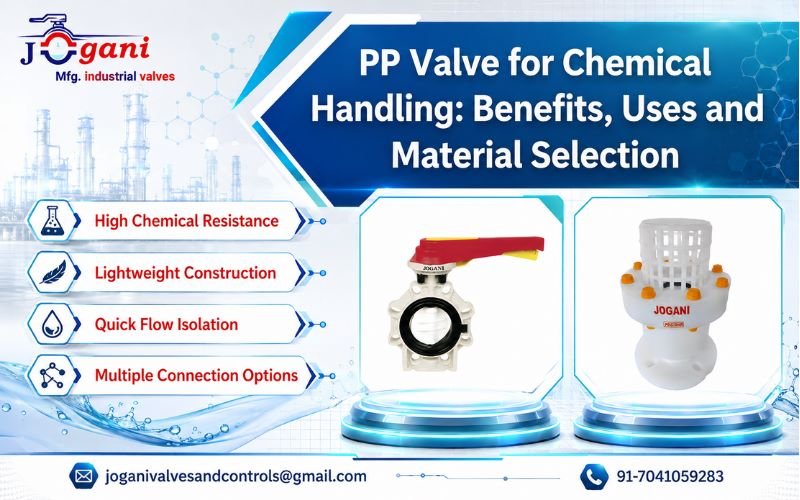
Reliable PP Valve Selection for Chemical Pipelines
A valve may look suitable on paper yet fail early when the actual chemical, concentration or operating temperature is ignored. In chemical plants, that mistake can lead to leakage, unplanned maintenance and interrupted production. A
PP Valve for Chemical Handling offers a practical option for many corrosive fluid lines, particularly where conventional metal parts face frequent corrosion.
However, polypropylene is not suitable for every chemical or operating condition. Buyers must consider the complete valve assembly, including its body, seat, seals and connection type. This guide explains how
PP Ball Valves work, where they fit and what purchase teams should verify before placing an industrial order.
Why PP Valve for Chemical Handling Needs Process Data
Chemical compatibility matters more than appearance or initial price. Polypropylene resists many acids and alkalis. Therefore, a Chemical Resistant PP Valve can reduce corrosion concerns in suitable services.
However, PP does not resist every solvent or strong oxidizer. Compatibility can change as concentration or temperature rises. Buyers should never select a valve using only the fluid’s common name.
How a PP Ball Valve Manages Industrial Flow
A PP Ball Valve uses a rotating ball to start or stop flow. Its quarter-turn action provides quick isolation. Moreover, the lightweight body simplifies handling and installation.
For example, a PP Ball Valve for Chemical Handling may serve transfer lines, dosing systems, tank outlets and utilities. Suitability still depends on design, pressure rating, connection and seals.
PP Valve Material Selection Starts with the Actual Fluid
Most importantly, good PP Valve Material Selection considers every wetted component. Purchase teams should provide accurate process information.
Chemical and Concentration
Share the chemical name, mixture details and operating concentration. For example, a diluted solution may behave differently at higher concentration.
Temperature and Pressure
Thermoplastic strength changes as temperature rises. Therefore, check pressure-temperature data for the selected model. Never apply one rating to every PP valve.
Seat and Seal Compatibility
The body may suit the chemical while an unsuitable seal loses performance. However, PTFE, EPDM and FKM serve different duties; none is universally correct.
Connection and Operating Method
Threaded, socket, union and flanged connections suit different layouts. At the same time, manual or actuated operation should match access, cycle frequency and automation needs.
Practical Benefits for Plant and Maintenance Teams
When selected correctly, an Industrial PP Ball Valve can provide several practical advantages:
- Resistance to corrosion from many compatible chemicals
- Lower handling weight during installation and maintenance
- Smooth quarter-turn isolation
- No external painting needed to protect a plastic body from rust
- Practical use in chemical transfer and water-treatment systems
At the same time, correct support remains important because plastic valves should not carry unnecessary pipeline stress.
Process Areas Where PP Valves May Fit
Polypropylene valves may suit chemical manufacturing, acid and alkali transfer, water treatment, ETP and STP plants. Moreover, selected duties arise in pharmaceuticals, fertilizers, dyes, electroplating and textiles.
In addition, PP valves can support chemical storage systems. Food-processing duties require extra attention to grade, cleanliness and applicable compliance. Review compatibility before selection.
Seven Checks Before Sending a Purchase Order
Therefore, procurement teams can avoid many specification gaps by confirming:
- Chemical name, concentration and mixture details
- Normal and maximum operating temperature
- Working and peak pipeline pressure
- Required valve size and flow capacity
- End connection and pipeline standard
- Seat, seal and other wetted materials
- Manual, pneumatic or electric operation requirement
Along with this, ask for the relevant datasheet, dimensions and inspection scope. Comparing quotations without matching these points may produce an inaccurate price comparison.
Local Coordination for Gujarat-Based Projects
Working with a PP Valve Manufacturer in Ahmedabad can simplify technical discussions and supply coordination. For this reason, buyers should share operating data, quantity and connection needs.
Jogani Valves And Controls supplies industrial valves for chemical and process applications. Buyers can discuss PP Ball Valve requirements against verified service conditions.
A Careful Selection Delivers Better Value
A
PP Valve for Chemical Handling performs best when body material, seals and operating limits match the process. Instead of choosing by price alone, review the chemical data and complete valve specification. Contact
Jogani Valves And Controls for product details, available sizes and a quotation for project or bulk requirements.
Frequently Asked Questions