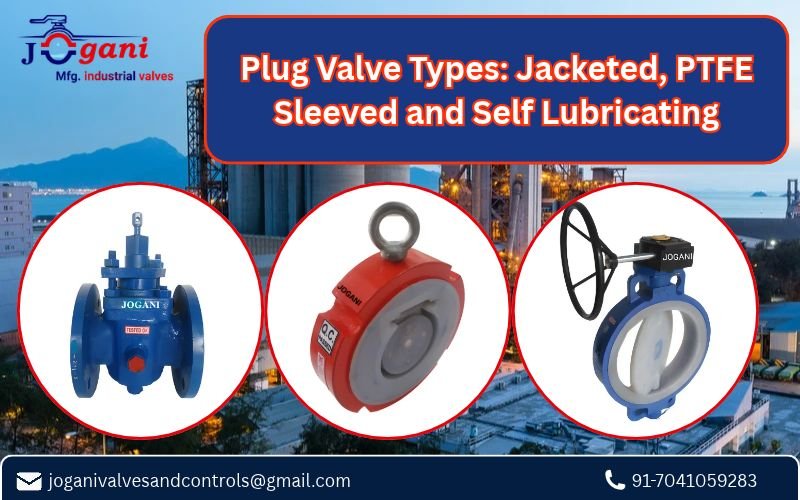
Understanding Different Types of Plug Valves
Industrial buyers often look at size and price when choosing plug valves. The fluid being handled is the real deciding factor for long-term performance. A hot sticky product can harden inside a valve that is not heated. A corrosive chemical can damage materials that’re not right for the job. Frequent opening and closing can also raise torque. Mean more maintenance.
Understanding Plug Valve Types helps purchase managers and plant engineers avoid problems before installation. Jacketed valves keep the fluid at the temperature.
PTFE sleeved valves use a low-friction seal. Self-lubricating designs reduce the need for lubricants. These features can be combined in one valve. The best choice depends on the fluid, the operating conditions and how maintenance the plant can handle.
Plug Valve Types: Start With the Process Problem
A plug valve works by rotating a plug with a hole. Turning the plug a quarter turn. Closes the flow. The main design choices are meant to solve risks:
Jacketed: Uses an outer shell to keep temperature-sensitive fluids from solidifying.
PTFE sleeved: Has a PTFE sleeve around the plug to create the seal and reduce friction.
Self-lubricating: Uses materials like PTFE to reduce friction. No external sealant is needed.
These are not always types. One valve can have jacketing, a sleeve and self-lubrication all together.
Why Jacketed Plug Valves Matter for Molten Media
A
Jacketed Plug Valve has a space around the body that allows steam or another heating fluid to flow. This keeps materials like sulfur, bitumen, pitch and some resins from cooling and clogging.
Partial jackets heat the main sealing area. Jacketed valves heat more of the body and often go with jacketed piping. Buyers must check the connection sizes. Make sure the heating system matches.
Always specify the process temperature the heating medium you plan to use and the jacket connection type. If not the valve might fit the pipe. Still have cold spots that stop the flow.
PTFE Sleeved Designs for Corrosive Shutoff
A PTFE Sleeved Plug Valve has a shaped sleeve made of PTFE that fits around the plug. The sleeve creates a seal and lowers friction between metal parts. Because PTFE holds up against chemicals this design works well in chemical, petrochemical and pharmaceutical plants where isolation is key.
A PTFE sleeve does not mean all parts of the valve are resistant. The body, plug and other seals must also be compatible. PTFE has limits in temperature, pressure and wear.
For chemicals check the concentration, possible solids and max operating conditions before choosing the valve.
The Truth About Self-Lubricating Plug Valves
A Self-Lubricating Plug Valve usually uses a low-friction PTFE sleeve. It does not need injection of sealing compound like older lubricated valves.
Self-lubricatin only means the seal moves easily. It does not mean the valve never needs maintenance. Operators should still watch for increased torque stem leaks or damage to the outside.
Also a PTFE sleeved valve can be self-lubricating and jacketed. So do not assume one name means a type. Look at the drawings to see what is actually built.
Matching the Design to Industrial Plug Valve Applications
In sulfur recovery and bitumen handling keeping the warm is often the top priority. A jacketed valve can help, long as the heating system and sleeve material fit the service.
In processing, compatibility and reliable shut-off are more important. Here a PTFE sleeved valve may be better long as it fits the chemical and operating limits.
For oil and gas pharmaceuticals and other strict environments, cleanliness, how often the valve. Emissions matter. Not every valve works for every job. Always match the process to the valve datasheet, not just the name.
What Procurement Teams Should Confirm Before Ordering
A good quote starts with a service description. Share these details with the supplier:
- Fluid name, concentration, solids and viscosity.
- Minimum, normal and maximum temperature and pressure.
- Valve size, pressure class, port type and end connections.
- Materials for body, plug, sleeve and stem seal.
- Manual or actuated operation how often it. Required documents.
For valves add the heating medium and jacket pressure. Ask for a drawing pressure-temperature rating and test documentation. Only mention standards like API 599 or API 598 if they apply to the design.
Conclusion
The best Plug Valve Type depends on the challenge: keeping temperature, resisting chemicals or reducing friction. Since these features can mix, always check the full valve design before buying.
Jogani Valves And Controls based in Ahmedabad, Gujarat. Sells industrial valves. They help buyers with material, size and application advice. For projects in Gujarat or across India check model availability and technical specs before ordering in bulk.
Frequently Asked Questions