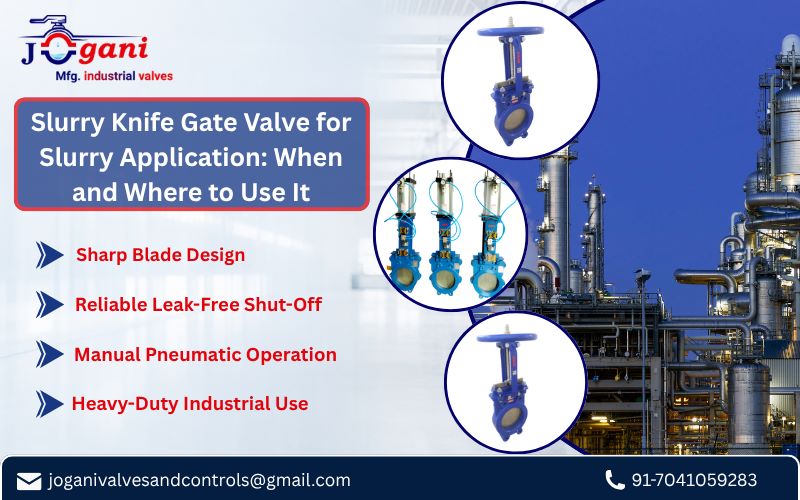
Slurry Knife Gate Valve: Best Uses for Industrial Slurry Lines
Slurry lines are difficult on valves because they carry abrasive solids, liquid and sometimes sticky material at the same time. A standard gate valve may struggle with buildup, leakage or blade wear when the flow contains ash, pulp, cement particles or mineral slurry. A
Slurry Knife Gate Valve is designed to shut off these demanding lines with a thin blade that cuts through the media.
However, buyers need more than a basic valve selection. The right body material, seat, blade, actuation and sizing decide whether the valve will work reliably at site. This guide helps industrial buyers choose the right valve for slurry service and avoid costly maintenance delays.
Why slurry pipelines need a cutting-style shut-off valve
Slurry can settle inside the pipeline, especially during low-flow periods. Fibers, particles and solids may also collect around the valve seat. Because of this, ordinary valves can become difficult to operate or fail to close properly.
A Knife Edge Gate Valve uses a sharp, sliding gate to cut through semi-solid media. It provides a practical shut-off solution where clean, unrestricted flow and quick isolation matter.
Where a Slurry Knife Gate Valve performs best
This valve is widely used in lines that carry thick, abrasive or fibrous material. For example, it suits mineral slurry transfer in mining plants, fly ash handling in power plants and slurry discharge in cement units.
It is also useful as a
Knife Gate Valve for Wastewater Treatment where sludge, screenings and suspended solids are present. Pulp mills use it for fibrous stock, while steel and chemical plants use it for process slurry and waste handling lines.
Material choices that affect valve life
The right valve material depends on slurry type, temperature, pressure and chemical content. A cast iron or ductile iron body can suit general industrial slurry duty. However, stainless steel or fabricated steel bodies are often preferred for corrosive or high-wear conditions.
The blade commonly uses SS 304 or SS 316 for better corrosion resistance. In addition, seat materials such as EPDM, NBR, PTFE or metal should match the process media. A properly selected seat helps reduce leakage and protects the blade during frequent operation.
Selecting the right Slurry Knife Gate Valve for your line
Before placing an order, buyers should share complete operating details with the manufacturer. Pipe size alone is not enough for correct selection.
Check these important points:
- Type and concentration of solids in the slurry
- Operating pressure and temperature
- Required end connection, such as wafer, flanged or lug type
- Manual, pneumatic or electric actuation requirement
- Installation position and available operating space
- Need for abrasion-resistant lining or special blade material
For this reason, a site-specific review gives better long-term value than selecting only by the lowest Knife Gate Valve Price in India.
Manual or pneumatic operation: which is suitable?
Manual Knife Edge Gate Valve
A Manual Knife Edge Gate Valve works well for smaller lines or locations where operators can open and close the valve easily. Handwheel and lever-operated designs are simple, economical and easy to maintain.
Pneumatic Knife Edge Gate Valve
A Pneumatic Knife Edge Gate Valve is ideal for automated plants, remote operation and frequent valve cycles. It improves response time and supports better process control. Moreover, pneumatic actuation can reduce manual effort in larger pipeline sizes.
What manufacturing quality should buyers check?
A reliable Slurry Knife Gate Valve Manufacturer in India should focus on blade finish, seat alignment, body strength and packing performance. Even a small mismatch in the gate and seat can cause leakage or excessive operating force.
Buyers should also ask about pressure testing, material certificates, valve dimensions and spare availability. At the same time, custom flange drilling, actuator mounting and special material options may be important for EPC and replacement projects.
Support for Ahmedabad and Gujarat industrial projects
Ahmedabad and Gujarat have strong demand from chemical, cement, engineering, paper and process industries. Therefore, choosing a nearby Knife Gate Valve Manufacturer in Ahmedabad can make technical discussion, inspection and dispatch coordination easier.
Jogani Valves And Controls supports B2B buyers with practical valve selection based on media, line size and operating conditions. This helps project teams avoid incorrect specifications before bulk procurement.
In conclusion
A
Slurry Knife Gate Valve is a dependable shut-off option for pipelines carrying abrasive, fibrous or thick process media. Material selection, seat design, blade quality and actuator type all influence its service life. Contact
Jogani Valves And Controls for valve size details, material options or a quotation for your industrial slurry requirement.
FAQs