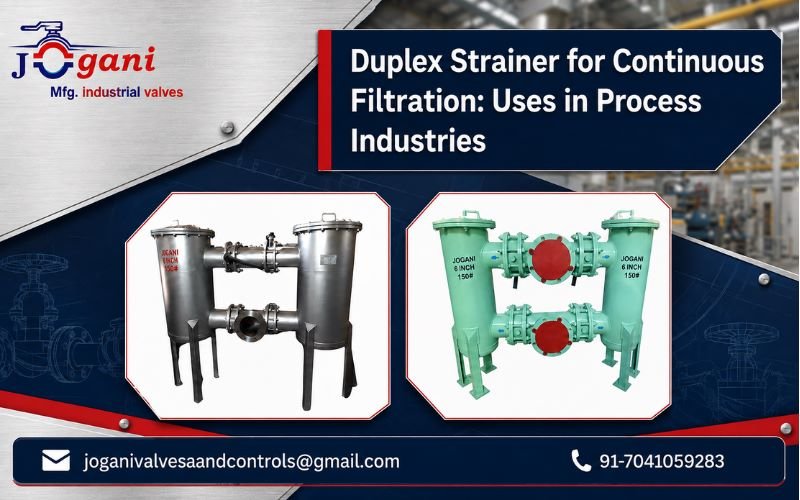
How Duplex Strainers Ensure Uninterrupted Filtration in Process Industries
Process plants cannot always stop a line whenever a strainer basket needs cleaning. An unplanned shutdown can interrupt production, delay batches, and raise maintenance costs. A Duplex Strainer for Continuous Filtration solves this problem by using two separate basket chambers in one assembly. Operators can direct flow through one chamber while keeping the second ready for changeover.
This arrangement is especially useful where pumps, valves, heat exchangers, meters, and spray nozzles need protection from rust, scale, and process debris. However, buyers must match the body material, basket opening, pressure class, and connection details to the actual service conditions before ordering.
How Duplex Strainer for Continuous Filtration Protects Uptime
An industrial
duplex strainer traps solids before they reach sensitive downstream equipment. Unlike a single-basket unit, it provides standby filtration. Therefore, maintenance teams can isolate a loaded basket without stopping the process.
This design reduces avoidable stoppages and supports safer cleaning. Most importantly, it suits continuous circulation, transfer, cooling, or feed lines.
What Happens During Changeover?
The duplex strainer working principle is simple. Fluid passes through one basket while the other remains isolated. When pressure difference rises, the operator shifts flow through the changeover mechanism.
The team can drain, clean, and refit the isolated basket while the second chamber filters. Operators must follow the approved sequence and never open a pressurised chamber.
Simplex vs Duplex Strainer: Let Uptime Decide
A simplex strainer suits lines that can stop for cleaning. It offers a simpler layout and lower initial cost. On the other hand, a duplex unit suits critical services where shutdowns create larger losses.
In simple words, choose according to operating risk, not only purchase price. Consider cleaning frequency, debris load, labour access, and the cost of stopping the process.
Match Materials and Basket Openings to the Fluid
Body material must suit the fluid, temperature, pressure, and corrosion conditions. Options include cast iron, carbon steel, stainless steel, and alloy steel. However, the final grade must follow project specifications.
Basket perforation also needs careful selection. Large openings may pass damaging particles, while very fine openings can increase pressure drop. Moreover, confirm line size, connection, pressure rating, gasket, drain arrangement, and maintenance space.
Where Dual-Chamber Filtration Delivers Practical Value
Typical duplex strainer applications include chemical transfer, refinery utilities, fuel systems, cooling water, and boiler-feed lines. Other users include water, power, paper, steel, mining, marine, paint, pharmaceutical, and food-processing plants.
Suitability still depends on the fluid and operating data. For example, hygienic or corrosive services may require specific materials, surface finishes, seals, and documentation.
Put Complete Process Data on the Purchase Enquiry
For a quotation, share the fluid, flow rate, pressure, temperature, line size, connection, and filtration level. Also mention corrosion, solids loading, orientation, and documents. This data helps the manufacturer size the Duplex Basket Strainer correctly.
Jogani Valves And Controls supports project and bulk requirements across Gujarat and India. When comparing any Duplex Strainer Manufacturer in Ahmedabad, review material traceability, basket fit, pressure testing, coating, operation, and support.
Conclusion
The right
Duplex Strainer for Continuous Filtration protects equipment while allowing basket maintenance without stopping the working line. Long-term value depends on correct sizing, compatible materials, suitable screen openings, and disciplined operation. Contact
Jogani Valves And Controls with your process data for product details, size selection, grade options, quotation, or bulk requirements.
Frequently Asked Questions